Dealing with fly-tipped waste on Romford Road, Forest Gate
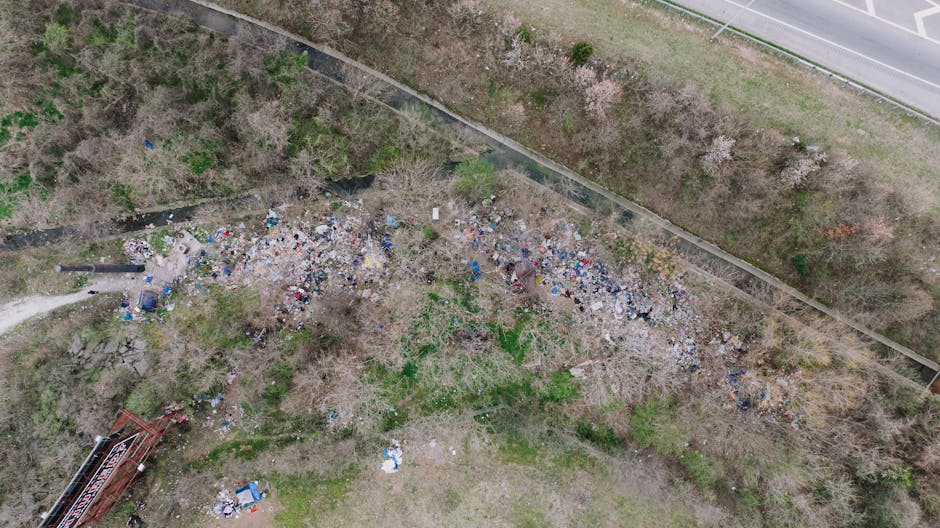
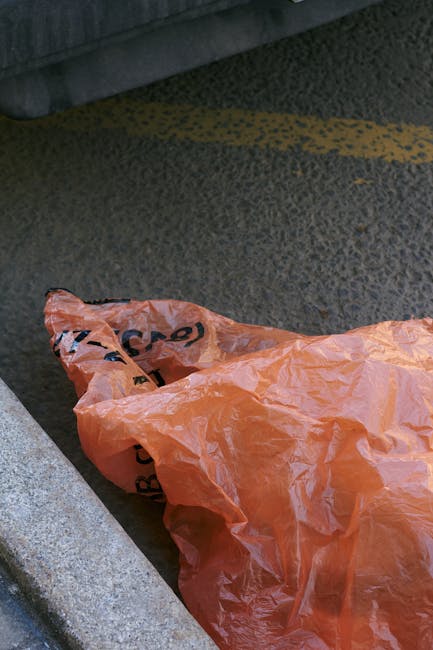
Fly-tipped waste on Romford Road can turn a normal stretch of Forest Gate into a nuisance fast. One minute it is a dropped mattress, an old cabinet, or a pile of black bags near a shopfront or side road; the next, it is blocking access, looking unsightly, and making everyone wonder who is responsible. Dealing with fly-tipped waste on Romford Road, Forest Gate is not just about tidying up. It is about safety, local pride, compliance, and getting the job done without creating another problem behind the scenes.
This guide walks through what fly-tipping means in practice, why it matters on a busy East London road, how removal usually works, and what a sensible next step looks like if you are a business owner, landlord, managing agent, or resident trying to deal with the mess. We will keep it practical. No drama, no fluff. Just the stuff that helps.
Quick takeaway: If waste has been dumped illegally, do not drag it around or guess what it contains. Assess the risk, document the scene if needed, and use a proper clearance approach that protects people, property, and the wider area.
For readers who want a reputable local service baseline, it can also help to review the company's about us page, along with its health and safety policy and recycling and sustainability commitments. Those pages are useful if you want to understand how a provider handles risk, disposal, and responsible handling before you make a call.
Table of Contents
- Why Dealing with fly-tipped waste on Romford Road, Forest Gate Matters
- How Dealing with fly-tipped waste on Romford Road, Forest Gate Works
- Key Benefits and Practical Advantages
- Who This Is For and When It Makes Sense
- Step-by-Step Guidance
- Expert Tips for Better Results
- Common Mistakes to Avoid
- Tools, Resources and Recommendations
- Law, Compliance, Standards, or Best Practice
- Options, Methods, or Comparison Table
- Case Study or Real-World Example
- Practical Checklist
- Conclusion
- Frequently Asked Questions
Why Dealing with fly-tipped waste on Romford Road, Forest Gate Matters
Romford Road is busy, visible, and constantly moving. That is exactly why fly-tipped rubbish stands out. A dumped sofa, broken office chairs, or bagged waste by the kerb can become more than an eyesore. It can narrow footpaths, attract further dumping, create trip hazards, and send the wrong signal about how a property is being managed. Let's face it, once one heap appears, another one often follows. People see a neglected spot and assume it is fair game.
There is also a very real business impact. For shops, cafes, estates, landlords, and offices nearby, the front of a property shapes first impressions before a customer or tenant even gets through the door. A pile of waste smells bad in warm weather, looks worse in wet weather, and can make a place feel less cared for. That matters on a road where passers-by notice everything.
Then there is the practical side. Fly-tipped waste may include mixed materials, sharp edges, broken glass, liquid containers, or things that should not be touched without caution. Sometimes you can tell at a glance that it is harmless old furniture. Other times, not so much. A tidy-looking sack can hide residue, pests, or damaged items inside. A bit grim, yes, but worth saying plainly.
For commercial premises in particular, delayed clearance can also create knock-on issues with access for deliveries, bin collections, and customer parking. A narrow pavement cluttered by waste can make a simple task become a frustrating one. And if waste is left too long, it tends to spread. Wind lifts lighter pieces, rain soaks cardboard, and the whole thing becomes harder to clear neatly.
In short, dealing with fly-tipped waste on Romford Road, Forest Gate is about more than removing rubbish. It is about reducing risk, protecting reputation, and restoring normality quickly.
How Dealing with fly-tipped waste on Romford Road, Forest Gate Works
A sensible fly-tipped waste removal process usually follows a clear path. It does not need to be complicated, but it should be disciplined. The main aim is to remove the waste safely, separate anything that can be recycled, and leave the site clean without causing damage or leaving residue behind.
In a typical scenario, the process starts with an assessment. The type of waste, volume, access conditions, and potential hazards are considered. Is it mixed waste, furniture, builder's rubble, or just bagged rubbish? Is the waste on a main road, in a side access, or tucked behind a property? Are there signs of hazardous materials? These details shape the job.
Next comes planning. On a road like Romford Road, timing matters. You often need to work around traffic, pedestrians, deliveries, and nearby businesses. A quick clearance in the early morning can be the difference between a smooth job and a messy one. Nothing fancy. Just good judgement.
Then the waste is removed using suitable equipment, manual handling methods, and the right vehicle capacity. If items need separating for recycling, that happens during or immediately after loading. Good practice is to avoid mixing everything into one untraceable heap if it can be prevented. Waste should be handled responsibly, with a clear route to legitimate disposal or recycling.
There may also be an inspection after removal. This helps check for broken fragments, spillages, stains, or hidden debris. On busy pavements and forecourts, even a few missed screws or shards can become a problem. You notice them later, usually when you are already walking away and thinking the job is done. Annoying, but preventable.
If you are comparing providers, it is worth checking how they talk about insurance and safety, how they set out pricing and quotes, and whether their terms and conditions are easy to understand. That tells you a lot about how organised and transparent they are before anyone arrives on site.
Key Benefits and Practical Advantages
The obvious benefit is removal. But the real value is everything that comes with it. When fly-tipped waste is handled properly, the site looks better, feels safer, and becomes easier to manage again. That is the immediate win.
Here are the main practical advantages:
- Cleaner frontage: Better presentation for customers, tenants, visitors, and neighbours.
- Reduced risk: Less chance of trips, cuts, pest attraction, or blocked access.
- Faster return to normal: Deliveries, footfall, and daily operations are less likely to be disrupted.
- More responsible disposal: Reusable or recyclable materials can be diverted where appropriate.
- Less stress: You are not left guessing who should move what, or how to dispose of it.
There is also a quieter benefit that people underestimate. Once a property looks cared for, it tends to stay cared for. Staff notice more. Residents notice more. A clean, clear area sends a signal that dumping will not be ignored. It is not magic, but it does make a difference.
For businesses especially, a prompt response can reduce the chance of complaints from customers or nearby occupiers. One bag of waste on Monday can become a small mountain by Friday. That is just how it goes. The sooner it is dealt with, the easier it is to stay ahead of the problem.
Who This Is For and When It Makes Sense
This kind of service is useful for a wide mix of people. If you have ever stood outside a property and thought, "Right, that absolutely cannot stay there," you are probably in the right place.
It commonly makes sense for:
- Shop owners and business managers dealing with waste dumped outside premises or in service areas.
- Landlords and letting agents who need to clear abandoned items between occupiers.
- Property managers and managing agents responsible for communal access points or shared spaces.
- Residents facing repeated dumping near bins, alleyways, or side entrances.
- Office and commercial occupiers wanting a clean, safe entrance for staff and visitors.
- Contractors who inherit a messy site after works or a failed clearance by someone else.
It also makes sense when the waste is too awkward, heavy, or risky to handle casually. A single mattress may be simple enough in theory, until you realise it is wedged awkwardly, wet through, and dragging grit across a clean pavement. Then the problem is not just removal, it is controlled removal.
Some people think fly-tipped waste is always a council-only issue. Sometimes it is. But in practice, if the waste is on private land or affecting a business frontage, the owner or occupier often needs to act quickly. Waiting around can make the situation worse. Quietly worse, which is the annoying kind.
Step-by-Step Guidance
If you are dealing with fly-tipped waste on Romford Road, Forest Gate, a calm step-by-step approach is usually best. No need to rush into lifting things before you know what you are dealing with.
1. Assess the scene
Start by looking at the waste from a safe distance. Identify what kind of materials are present, whether anything looks sharp, wet, broken, heavy, or suspicious, and whether the waste is blocking access. If there are signs of hazardous contents, do not touch it. That sounds obvious, but in the moment people often do the opposite.
2. Record what you can
If the situation involves repeated dumping, property boundaries, or possible evidence, take a few clear photos. Keep the images practical: wide shots for context and close-ups for detail. You are not building a photo album, just a record that may help if the site is disputed or the dumping keeps happening.
3. Protect people first
If the waste is near a pedestrian route or customer entrance, consider how to reduce exposure until it is removed. Sometimes a temporary barrier, a sign, or simply moving stock or furniture can help. The point is to avoid anyone stepping on broken material or brushing against dirty, unstable items.
4. Decide whether a specialist clearance is needed
Mixed waste, bulky items, and awkward access usually justify professional removal. So do sites that need quick turnaround, discreet handling, or proper sorting. If the waste includes electrical items, liquids, or suspected contaminated material, err on the cautious side.
5. Arrange removal with clear instructions
Be precise about access, timing, and the type of waste involved. If the items are in a shared alley, rear yard, or loading area, say so. It saves time, and time on a busy road is no small thing.
6. Check the area after clearance
Once the waste has been taken away, inspect the ground for broken fragments, stains, residue, and small leftovers. A proper finish matters. You want the area back to normal, not just less bad.
7. Put prevention measures in place
Review what made the dumping easy in the first place. Was there poor lighting, open access, overflowing bins, or a blind spot? A few small changes often help prevent another round.
Expert Tips for Better Results
After enough clearances, a few patterns become obvious. The best results usually come from getting the basics right and not skipping the awkward bits.
- Do not underestimate access: A job that looks simple from the road can be awkward once you factor in narrow gates, steps, parked cars, or time restrictions.
- Separate recyclable material early: Cardboard, metals, and reusable items are easier to manage when they are not dumped into one mixed pile.
- Plan around peak footfall: On a road like Romford Road, a quieter time can make the work cleaner and safer.
- Keep communication tight: A short, direct explanation of what is there saves misunderstandings later.
- Use a provider that takes safety seriously: It sounds basic, but proper lifting, PPE, and vehicle handling matter more than people think.
One small but valuable tip: if a site has recurring fly-tipping, do not just clean it and move on. Look for the pattern. Is there a gap in fencing, a hidden corner, a broken gate latch, or a poorly lit area that invites dumping after dark? That kind of thing. Solve the pattern, not only the pile.
And if you are handling the issue on behalf of a landlord or manager, keep a short record of dates, photos, and actions taken. Nothing elaborate. A simple log is often enough.
Common Mistakes to Avoid
Fly-tipped waste is one of those things people think they can sort quickly, until they cannot. Here are the errors that cause the most trouble.
- Moving unknown waste by hand without checking: Some items are sharp, leaking, or contaminated.
- Mixing everything together too early: It can make recycling harder and disposal less efficient.
- Ignoring access and timing issues: A rushed job on a busy road can create avoidable disruption.
- Leaving the site half-finished: Small debris can still pose a hazard after the main pile is gone.
- Assuming fly-tipping is always the same as normal household rubbish: It is often not. The source, contents, and responsibilities can differ.
- Waiting too long to act: The longer waste sits there, the more likely it is to spread or attract more dumping.
Another common misstep is trying to make one person responsible for everything when the issue spans a boundary or shared space. Better to clarify ownership and access early than spend a week passing messages back and forth. Nobody enjoys that dance.
Tools, Resources and Recommendations
You do not need a massive toolkit, but the right basics make a real difference. The goal is to stay safe, move efficiently, and avoid making the site worse while trying to fix it.
Useful tools and materials
- Heavy-duty gloves for handling rough or dirty materials
- Protective footwear with good grip
- Bin bags or sacks suitable for the waste type
- Wheelbarrows, dollies, or handling aids for heavy items
- Barrier tape or temporary signage if the area needs to be kept clear
- Cleaning materials for dust, residue, or minor spillages
Useful service features to look for
- Clear and prompt communication
- Practical pricing with no confusing add-ons
- Evidence of safe handling procedures
- Responsible disposal and recycling awareness
- Good customer support if plans change on the day
If you are still comparing providers, the pages on pricing and quotes, payment and security, and complaints procedure can help you understand how the company works in practice, not just in the sales message. That kind of detail is often what separates a smooth job from a frustrating one.
For readers with accessibility needs or who manage sites used by the public, the accessibility statement is also a sensible page to review. It shows how the provider thinks about access and usability, which matters more than people sometimes realise.
Law, Compliance, Standards, or Best Practice
It would be unwise to give legal advice here, because responsibilities can depend on where the waste is located, who owns the land, what the waste is, and who arranged the disposal in the first place. Still, there are some general best-practice principles that are worth following.
In the UK, waste should be handled lawfully and passed to appropriate disposal or recycling routes. If you are dealing with dumped material, the safest approach is to treat it as something that may need controlled handling rather than a simple tidy-up task. That is especially true for anything that could be hazardous, contaminated, or difficult to identify.
Good practice usually includes:
- checking the waste before moving it
- using suitable protective equipment
- keeping people away from immediate hazards
- sorting reusable or recyclable items where appropriate
- using a provider that understands safe transport and disposal expectations
- keeping records if the dumping is repeated or disputed
If a waste clearance company explains its health and safety policy clearly and shows how it approaches insurance and safety, that is usually a good sign. It suggests the work is being treated as a managed process, not a quick haul-away job done on the back of a van and a shrug.
One more thing: if there is any suspicion of fly-tipping linked to larger or repeat dumping, document what you see and avoid interfering with the site more than necessary until the situation is understood. Better cautious than messy.
Options, Methods, or Comparison Table
There are a few ways people deal with dumped waste. Some are fine for small, low-risk items. Others are better when the waste is bulky, mixed, or on a public-facing road. Here is a straightforward comparison.
| Method | Best for | Pros | Limitations |
|---|---|---|---|
| DIY removal | Very small, safe, manageable items | Low upfront cost, immediate action | Time-consuming, risky for heavy or unknown waste, not ideal for busy roads |
| Ad hoc manual clearance | Minor tidy-up work on private land | Can be quick if the waste is light and simple | May still leave hidden debris, and handling risk rises quickly |
| Professional fly-tipped waste clearance | Bulky, mixed, repeated, or awkward waste | Safer, faster, more complete, better for access and disposal | Costs more than doing it yourself, but usually saves time and hassle |
| Staged clearance with sorting | Mixed waste with recyclable material | Improves recovery of usable items, can reduce waste sent to disposal | Needs good organisation and enough space on site |
For most situations on Romford Road, especially where access is tight or the site is visible to the public, professional clearance is often the more practical choice. The difference is not just speed. It is confidence that the job has actually been done properly.
Case Study or Real-World Example
Imagine a small retail unit near Romford Road that opens early and gets deliveries before lunch. On a Monday morning, staff find two black sacks, a broken chair, and a pile of mixed cardboard and packaging left beside the frontage overnight. At first glance it looks simple. Then they notice one sack has split open, there is glass mixed in, and the pavement is narrowing where customers usually walk in.
The first instinct might be to move it quickly before the shop opens. That is understandable. Truth be told, most people would feel that pressure. But a better response is to pause, assess the materials, protect the entrance, and arrange safe clearance. In this kind of situation, speed matters, but so does control.
Once the waste is removed, the area is swept, the broken glass is picked up, and the frontage is checked for stains or residue. The manager also notes that the rear alley had been left open the previous evening. That becomes the prevention point: better locking, a brighter light, and a clearer end-of-day routine.
The result is not just a cleaner pavement. The business gets back to normal, staff feel less frustrated, and the area is less likely to attract another dumping incident straight away. Small win? Maybe. But on a working street, small wins matter.
Practical Checklist
Use this checklist if you need to deal with fly-tipped waste quickly and sensibly.
- Identify the type and volume of waste
- Check for sharp, wet, broken, or suspicious items
- Keep people away from immediate hazards
- Take photos if the dumping may need records
- Confirm whether access is private, shared, or public-facing
- Arrange a clearance method that suits the site
- Ask about recycling, disposal, and safety handling
- Confirm timing so the work does not disrupt traffic or customers
- Inspect the area after removal for small debris
- Review how to prevent repeat dumping
Useful reminder: if waste looks mixed, heavy, or questionable, treat it as more than a simple tidy-up. That one decision can save a lot of trouble later.
Conclusion
Dealing with fly-tipped waste on Romford Road, Forest Gate is rarely just about the rubbish itself. It is about keeping a busy local area safe, presentable, and workable for everyone who depends on it. A good response is calm, careful, and practical. Assess first, move safely, dispose responsibly, and put a few preventative measures in place so the same mess does not return next week.
If you are deciding how to handle a clearance, focus on the basics: safety, access, timing, responsible disposal, and transparent communication. That is the stuff that tends to go right when the provider knows what they are doing. And if you are managing a property or business, a quick response now is usually easier than a bigger repair job later. Simple, really.
Get a free quote today and see how much you can save.
Frequently Asked Questions
What counts as fly-tipped waste on Romford Road?
Fly-tipped waste is any rubbish dumped illegally instead of being left for authorised collection or disposal. On Romford Road, that might include sofas, bags of rubbish, broken furniture, builder's waste, or mixed junk left by a pavement, rear access, or private boundary.
Is fly-tipped waste always the council's responsibility?
Not always. Responsibility can depend on whether the waste is on public land, private land, or shared access, and who is responsible for the site. If it affects your property frontage or land, you may need to arrange removal yourself.
Can I move fly-tipped rubbish myself?
Only if it is small, safe, and you are confident there are no hazards. If anything is sharp, heavy, leaking, or unknown, it is better to avoid handling it casually. A rushed lift can cause more problems than the waste itself.
How quickly should fly-tipped waste be removed?
As quickly as practical. The longer it stays, the more likely it is to attract more dumping, create safety issues, or affect how the area looks and functions. On a busy road, delays are noticed fast.
What if the waste contains broken glass or sharp materials?
Do not handle it without proper protection. Broken glass, metal, and splintered items can cause injury very easily. Use appropriate safety gear and a controlled removal method, or bring in a professional clearance service.
Can fly-tipped waste smell or become a pest issue?
Yes, especially if it includes food waste, damp cardboard, or items left in warm weather. Bad smells, flies, and pests can follow quickly. That is one reason prompt clearance matters.
Is professional clearance better than doing it myself?
For bulky, mixed, or awkward waste, usually yes. Professional clearance is often safer, faster, and more reliable, especially where access is tight or the site is public-facing. DIY can work for very small jobs, but it is not always the best fit.
How do I stop fly-tipping happening again?
Look for what makes the spot attractive to dumpers: poor lighting, open gates, weak boundaries, hidden corners, or overflowing bins. Small changes can help, and repeated incidents are worth documenting so patterns are easier to spot.
What should I ask before booking a clearance?
Ask how the waste will be handled, whether the company takes safety seriously, how pricing is structured, what happens to recyclable material, and how access and timing will be managed. Clear answers are a good sign.
Will a clearance service take all kinds of waste?
Not necessarily. Some materials need special handling, and a reputable provider should explain any limits clearly. If the load contains suspected hazardous items, mention that upfront rather than leaving it to chance.
Why is Romford Road a tricky place for waste clearance?
It is a busy, visible route with pedestrian movement, vehicles, and a mix of residential and commercial activity. That means timing, access, and safety planning matter more than they might on a quieter street.
Where can I find more information before I book?
It helps to review the company's contact page if you want to ask questions directly, along with its recycling and sustainability information for a clearer picture of how waste is handled after collection.