Office clearance in Forest Gate

We provide office clearance in Forest Gate for businesses that need desks, chairs, storage units, files, screens and mixed office contents removed with care. The service is designed to help you clear working space, close down a room, refresh a layout or prepare a unit for handover without turning the process into a disruption. Our approach is practical and measured, with an emphasis on separating reusable items, recyclable materials and general waste where possible.
Office clearances often involve a mix of tasks rather than one simple load. Some premises need single-item removal after a refit, while others need a fuller emptying of furniture, fixtures and non-sensitive contents. We can support that wider scope by handling bulky items, awkward objects and standard commercial clutter in a way that suits the building, access and timing. Clear instructions and a sensible plan help the work run smoothly, but the final method is shaped by the items present on site.
If you are comparing options for office clearance in Forest Gate, it helps to think about what must go, what might be retained and what needs separate handling. For a straightforward start, list the main item types, note access restrictions and mention any large or heavy pieces. When you are ready, ask for a quotation and we will take the next step with you.
Clearance work for offices, workspaces and commercial rooms
Office clearance is rarely limited to furniture alone. Many workspaces contain meeting tables, filing cabinets, shelving, reception pieces, small appliances, packaging and day-to-day accumulated material that all need different handling. We deal with those varied items as part of one coordinated clearance, so the room can be emptied in a way that reflects the actual contents rather than forcing everything into one generic category. That distinction matters when you want the work completed efficiently and with less chance of avoidable damage.
Different layouts call for different handling. A compact suite with narrow corridors may need careful item-by-item movement, while a larger floor can sometimes be managed in sections to keep access clear. When furniture must be dismantled before removal, that can be arranged as part of the process if it is needed for safe movement. Office clearance pages are often used for this sort of work because they explain the core service in one place and help customers decide whether the job is a partial clear or a full emptying.
Where the clearance forms part of a broader move or closure, it is usually sensible to separate the practical tasks before collection day. A short note of items to keep, items to remove and items needing special attention makes the quote stage more accurate. For smaller jobs, a quick description may be enough; for larger rooms, photographs or an inventory can help describe the scale without repeating details later. The aim is simple: fewer surprises, clearer planning and a result that fits the premises.
Furniture, fixtures and bulky items

Much of an office clearance involves furniture clearance rather than general rubbish removal alone. Desks, task chairs, conference tables, cupboards, pedestals and shelving units can all take time to move, especially when the building has limited lift access or tight turning points. We treat those objects as part of the overall clearance rather than as an afterthought, so the removal work remains orderly from the first item through to the last.
Some workplaces also have fitted-looking pieces that are still removable, such as freestanding cabinets, display units or reception furniture that no longer suits the space. These items may be reusable elsewhere, but they still need careful handling during extraction. If items must be separated before removal, the process can be organised around that need. For customers, the key decision is whether to retain, relocate or clear each piece, particularly when the room has mixed ownership or mixed condition items.
In offices where bulky contents dominate the room, a furniture-first approach can simplify the whole job. Once large items are identified, smaller materials can be dealt with around them, which reduces obstruction and helps keep routes usable. That is often the most efficient way to approach a packed workspace. It also makes it easier to judge whether any pieces are suitable for recycling, reuse or disposal through the appropriate route.
What we can remove during an office clearance

The contents of offices vary widely, but a typical clearance may include desks, chairs, meeting furniture, shelving, filing cabinets, cabinets, loose office equipment and general contents left behind after a relocation or reorganisation. Some jobs also involve storage from back rooms, paper archives, display material or reception items that need to be removed alongside the main furniture. Where items are ordinary and non-sensitive, they can usually be processed as part of the same job rather than split into separate visits.
We can also help with items that are awkward because of size, shape or weight rather than sheer quantity. Large desks, heavy cupboards and long shelving runs can be more difficult to remove than they look, especially in older premises or shared buildings with narrow access. If items need to be broken down before moving, that can be discussed during quotation so the removal plan is realistic. This kind of preparation is useful because it reduces confusion and gives a clearer picture of labour and time.
For customers arranging an office clearance in Forest Gate, it is often helpful to decide early whether the job is mainly furniture removal, mixed contents clearance or a more complete emptying of the unit. That decision affects the approach more than the label does. A short list of categories can be enough: retain, remove, recycle, and check separately. Simple sorting before collection is not mandatory, but it can make the overall process more direct and less time-consuming on the day.
How to prepare for a quotation and collection
To request a quotation, start with the basics: the type of office, the main items to be cleared and any access details that could affect movement. A lift, stairs, loading point, permit requirement or restricted entry can all influence the way the clearance is planned. You do not need to prepare a perfect schedule, but accurate information helps us match the job to the right level of labour and equipment. That is especially useful for upper-floor premises and shared commercial buildings.
For clearer pricing, it also helps to mention whether the contents are mainly furniture, mixed office material or a full room emptying. If there are fragile items, fixed items, unusually heavy pieces or items that should not be moved without instruction, say so at the outset. That does not mean every job needs a long description; it means the details that matter are worth sharing once. Pricing and quotes information can sit alongside that first enquiry so you can see how the request is shaped before the job is arranged.
Two brief steps usually make the biggest difference: confirm what stays and what goes, then describe the access. If you can provide photographs or a short inventory, they should support the description rather than replace it. One accurate message is usually better than several scattered updates. When those basics are in place, it is easier to move from enquiry to a quotation that reflects the real job.
Planning the removal around access, timing and building rules
Commercial premises often have practical rules that affect an office clearance more than the items themselves. Some buildings have managed entry points, visitor procedures, loading restrictions or shared routes that need to stay clear for other occupants. We work with those constraints by keeping the clearance organised and by moving through the space in a logical order. That helps reduce interruption and avoids the common problem of furniture being left in the path of later items.
Timing matters too, especially if the premises are still in use while the clearance takes place. A phased approach can be helpful when only part of the office should be emptied at a time, or when certain rooms must remain operational until the end of the day. The main point is to shape the job around the actual building conditions rather than assuming one method fits every workplace. If a job needs several stages, it is better to say so early than to improvise midway through the removal.
Where a room contains mixed furniture and leftovers from a previous fit-out, the first practical question is usually what must be removed to make the space workable. Once that is clear, the rest of the plan becomes easier to manage. Many customers find this approach reassuring because it turns a crowded room into a defined task instead of an open-ended job. Ask for a quotation when you are ready to put that plan into action.
Items that may need separate attention
Some office contents need more care than ordinary furniture because they are fragile, bulky or arranged in a way that makes them awkward to move. Examples can include glass-fronted cabinets, boardroom tables, stacked storage units, screens, printers and other equipment that cannot simply be lifted without thought. The best results come when those items are identified early, so the clearance can be organised around their dimensions and handling needs rather than forcing them into a generic process.
There are also items that may belong to more than one category. A single room might contain reusable furniture, paper records, packaging, broken office chairs and general refuse, all mixed together. In that situation, the job is not just removal but sorting and sequencing. A clear route through the room helps avoid repeated lifting and unnecessary movement. If the space is being emptied for a new tenant or a redesign, that method also makes it easier to leave the room in a usable state at the end.
When customers need a better idea of how the work would be tackled, it is often enough to describe the main item groups and ask how they would be handled. That keeps the enquiry practical. It also allows the quotation to reflect the real mixture of contents rather than relying on guesswork. Use the contact route that suits you best, and we can discuss the clearance in plain terms.
Responsible handling of office contents

Office clearance should not be treated as a single disposal stream. Furniture, reusable fixtures and mixed materials often need to be separated so that they can be handled in the most appropriate way available. That may involve directing some items toward reuse, some toward recycling and some toward disposal, depending on the condition and composition of the contents. A careful approach matters because offices commonly contain more than one material type in each room.
The practical side of that work is about identifying what can be moved together and what should be separated. For example, a row of desks may be cleared as one sequence, while smaller mixed contents are gathered afterward. A similar approach works well for cupboards, filing furniture and storage items that contain a variety of components. Where the room includes general waste alongside furniture, the clearance can be organised so that neither category slows the other down unnecessarily. Recycling and sustainability information may also be useful if you want to understand how mixed materials are considered within the wider service.
This is one reason a proper quotation depends on content type as well as quantity. A room full of light office chairs is not the same as a room filled with heavy storage units, and a mixed clearance is different again. Knowing the make-up of the job allows for a more realistic plan. If you are unsure how to describe it, start with the main categories and leave the detailed sorting to the collection stage.
Other clearance services that can support the same project

Some customers arranging an office clearance also need related space-clearing work elsewhere on the same site. A storage room, archive area, loft-like space or garage-style back store can all hold items that were kept outside the main working area. When that happens, it can be sensible to review the whole property as one project rather than dealing with each room as a separate job. Home clearance and similar pages may be useful where the premises include a domestic element or where the site contains a mixture of residential and work-related contents.
We can also support clearances that involve specialist room types or separate loads. For instance, loose waste from a refurbishment may sit alongside furniture that still needs careful removal, and a back room may hold boxes or archive pieces that should be dealt with differently from the office floor. When the contents are split across several parts of a building, the quote is usually strongest when each area is identified clearly rather than described in broad terms. That way the practical work can be matched to the spaces involved.
If your project includes more than one area, tell us what is in each part and what you want the end result to be. That keeps the scope manageable and helps avoid unnecessary repeat visits. For a straightforward start, contact us to request a quotation and outline the office clearance you need in Forest Gate.
About Forest Gate
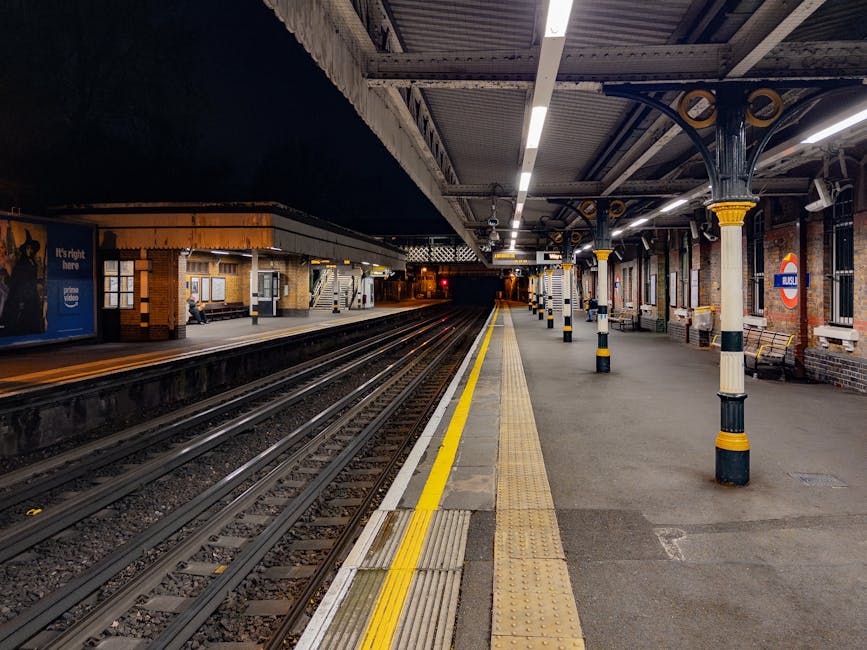
Forest Gate is a district in the London Borough of Newham, in east London, and it takes its name from the former gate of the ancient forest that once marked the boundary of Epping Forest. The area sits between Stratford and Manor Park, with the Romford Road forming one of its best-known historic corridors. Its development accelerated in the nineteenth century when rail connections encouraged suburban growth, bringing terraces, public houses, civic buildings and later commercial premises into what had previously been a more rural edge of London. That layered history is still visible in the street pattern, where long arterial roads meet narrower residential lanes and a mix of Victorian and later buildings.
One of Forest Gate’s most recognisable landmarks is Wanstead Flats, a large open space that forms part of Epping Forest’s southern reaches and offers a broad contrast to the denser streets around it. The district also includes conservation interest around older housing stock, with many streets showing the brickwork, bay windows and decorative fronts typical of east London suburban growth. Its transport identity has long been shaped by Forest Gate station, which links the area to the wider railway network and supports the steady movement of people across the neighbourhood. Local life is also connected to nearby Stratford, whose regeneration has increased the visibility of the wider part of Newham without erasing Forest Gate’s own character. Small shopping parades, mosques, churches, schools and community venues contribute to a mixed urban environment rather than a single-purpose district. The area’s identity is therefore best understood through its combination of railway heritage, residential continuity, open land and everyday east London streetscape.
Commercial spaces, closure work and practical decisions
Office clearance in Forest Gate can range from a single room to a fuller commercial emptying, and the decision-making is often more important than the volume alone. A small office with tightly packed storage may need more careful handling than a larger room with open access. For that reason, the first conversation should focus on what the premises contain, what must remain and whether the job is linked to a move, a change of use or a simple reset of the space. That gives the work a sensible direction from the outset.
Many clearances become easier when the customer has already separated personal, confidential or must-keep items from the general contents. If that is not possible, the clearance can still be discussed in practical terms, but the quotation will be clearer when the main categories are known. Clarity at the beginning saves time later, especially where several rooms are involved or where access is only available at specific times. In mixed commercial spaces, it is often the simplest distinction that matters most: furniture, loose contents and anything needing separate attention.
If you are ready to move forward, ask for a quotation and describe the office in everyday terms. You do not need to overstate the job or turn it into a long explanation. A brief description of the rooms, the item types and the access is usually enough to start. From there, the clearance can be planned in a way that suits the space and the schedule.