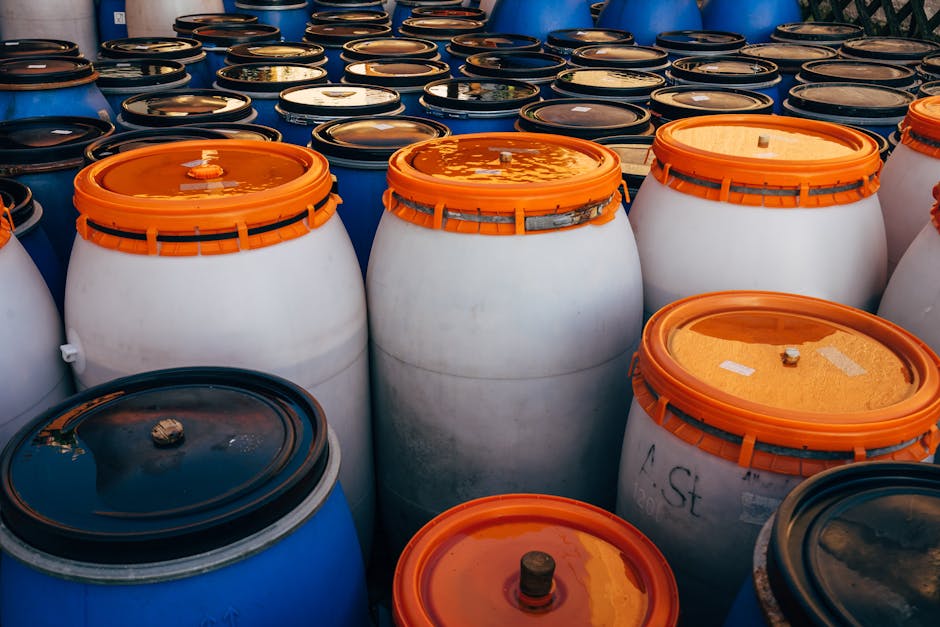
Hazardous Waste Laws Landlords Must Follow in Forest Gate
If you let property in Forest Gate, hazardous waste is one of those subjects that can quietly turn into a headache if you ignore it. A cracked bleach bottle in a cellar, an old tin of solvent in a shed, a broken fluorescent tube after a flat clearance, a leaking paint can in a garage - none of it feels dramatic at first. Then the questions start: who is responsible, what counts as hazardous, and what should a landlord actually do?
This guide explains the hazardous waste laws landlords must follow in Forest Gate in plain English. It covers your core duties, the risks of getting it wrong, the practical steps that keep you safer, and the points that matter most when you are clearing a property between tenancies, after a renovation, or after a long period of neglect. Let's face it, compliance is much easier when it is handled early rather than after a complaint, a spill, or an inspection.
Where useful, we also point out how related clearance and disposal services fit into the picture, including responsible waste removal support, house clearance, and recycling and sustainability practices. Not every property issue needs a major intervention, but every hazardous item needs a proper plan.
Table of Contents
- Why hazardous waste laws matter for landlords in Forest Gate
- How the rules work in practice
- Key benefits and practical advantages
- Who this is for and when it makes sense
- Step-by-step guidance
- Expert tips for better results
- Common mistakes to avoid
- Tools, resources and recommendations
- Law, compliance, standards and best practice
- Options and methods compared
- Case study or real-world example
- Practical checklist
- Conclusion
- Frequently asked questions
Why hazardous waste laws matter for landlords in Forest Gate
For landlords, hazardous waste rules are not just a tidy-up issue. They sit at the intersection of tenant safety, property management, environmental responsibility, and legal risk. If hazardous materials are stored badly, mixed with general rubbish, or passed to an unlicensed handler, the fallout can spread far beyond one messy cupboard.
Forest Gate has the same core UK obligations as elsewhere, but the local reality matters. Flats, converted houses, older terraces, basements, shared access routes, and tight parking can all make waste handling more awkward. That is when shortcuts happen. A landlord thinks, "It's only a couple of old tins," and suddenly there's an unlidded paint spill on a carpeted stairwell. Not ideal.
The key point is simple: landlords are expected to manage the waste generated from their properties responsibly, especially where it could harm people, contaminate other waste streams, or cause pollution. That includes deciding whether waste is hazardous, making sure it is stored safely, and ensuring it is removed by the right route.
Expert summary: If a substance can burn, corrode, poison, irritate, leak, or react badly with other materials, treat it with care first and ask questions second. The mistake is usually in underestimating the small stuff.
It also matters commercially. Good compliance protects void periods, reduces complaints, and helps you hand over a property cleanly between tenancies. When a flat has been left with old chemicals, decorators' waste, or broken electrical items, a proper clearance approach can save time and awkward back-and-forth with contractors.
How hazardous waste laws landlords must follow in Forest Gate works
In practice, the legal framework asks landlords to identify hazardous materials, keep them separate from general waste, and arrange lawful disposal. The exact steps depend on what is found, who produced the waste, and whether the property is domestic or partly commercial. The principle, though, stays the same: do not treat hazardous waste like everyday rubbish.
Common examples in rented property include old paint, varnish, solvents, pesticides, cleaning chemicals, batteries, fluorescent tubes, fridges or freezers containing certain components, asbestos-containing materials in older buildings, and some electrical items. Some of these are obvious. Others are not. A box of leftover decorating supplies in a cupboard can be more problematic than it looks.
Landlords should also think about the chain of responsibility. If you organise a clearance, you need confidence that the waste is handled lawfully, transported correctly, and taken to an appropriate facility. If you use a third party, it is still worth checking exactly what they will remove and how they manage the material. You do not need to be a legal specialist, but you do need to be alert.
The practical process usually looks like this:
- Inspect the property carefully before or during a void period.
- Separate anything that looks hazardous from general rubbish.
- Keep containers sealed where possible and store them upright.
- Make a note of what was found and where it was located.
- Arrange suitable removal through a competent, lawful route.
- Retain proof of what was taken and when.
That sounds straightforward because, mostly, it is. The difficult part is identifying borderline items and resisting the urge to bundle everything into one bin bag. And yes, that happens more than people admit.
Key benefits and practical advantages
Following the rules properly is about more than avoiding trouble. It creates a cleaner, safer way to manage your property portfolio, even if you only have one or two rentals.
- Fewer safety risks: Tenants, contractors, cleaners, and visitors are less likely to be exposed to hazardous substances.
- Smoother void management: Properties can be prepared faster when hazardous items are identified early.
- Lower chance of disputes: Clear records make it easier to show that waste was handled responsibly.
- Better protection for your reputation: A landlord known for care and tidiness usually has fewer headaches with agents and tenants.
- Reduced chance of environmental harm: Proper disposal helps stop leaks, spills, and contamination.
There is also a very practical upside: you spend less time second-guessing yourself. That matters when you are juggling repairs, deposit issues, lettings, and maintenance calls. A tidy system for hazardous waste saves mental energy as much as anything else.
For landlords who regularly clear out furnished properties or shared homes, the difference is noticeable. With an organised process, a flat clearance or larger home clearance becomes less chaotic because hazardous items are flagged separately instead of being discovered halfway through the job.
Who this is for and when it makes sense
This topic is relevant to a wide range of landlords, not just people dealing with a dramatic end-of-tenancy mess. If you own, manage, or let out property in Forest Gate, the rules can affect you whenever waste leaves the building.
- Private landlords: especially those with furnished properties, basements, garages, or older homes.
- HMO landlords: shared homes tend to generate more mixed waste and more confusion over what belongs where.
- Letting agents: often responsible for co-ordinating clearances and repairs on the owner's behalf.
- Property managers: handling multiple units need consistent processes, not one-off guesswork.
- Landlords renovating between tenancies: decorating and refurbishment work often uncovers old chemicals or construction-related waste.
It makes particular sense to review hazardous waste handling before a property changeover, after a long vacancy, when inherited contents are left behind, or after tenant abandonment. Those are the moments when strange things turn up: a half-open tin of paint behind a boiler, a cracked bottle of weed killer in the shed, or a box of mixed batteries in a kitchen drawer. None of it is glamorous. All of it deserves attention.
If your property includes outbuildings or storage spaces, you may also want to think about garage clearance or loft clearance, because hazardous items are often tucked away in those places and forgotten for years. Truth be told, that is where the awkward surprises usually live.
Step-by-step guidance
If you want a practical way to handle hazardous waste as a landlord, keep the process calm and methodical. No drama needed.
1. Inspect before you move anything
Walk the property with an eye for containers, labels, spills, smells, and damaged packaging. Look in cupboards, sheds, under sinks, lofts, utility rooms, and external storage. If you can smell chemicals, do not just open everything and hope for the best.
2. Separate hazardous items from general rubbish
Do not mix chemicals, batteries, or contaminated materials with normal waste. Separation is not just tidier; it lowers the chance of reactions, leaks, and disposal problems later on.
3. Identify what you can, safely
Read labels where possible. If a container is unlabelled or damaged, treat it cautiously. You do not need to play detective with unknown liquids. Sometimes the safe choice is simply to isolate the item and seek proper advice.
4. Package and store safely
Keep lids secure, use upright storage, and avoid placing containers near heat or direct sunlight. Put sharp or breakable items where they will not be knocked over by a cleaner or contractor. Simple stuff, but easy to miss.
5. Arrange lawful removal
Use a removal route that is suitable for the type of waste. A general clearance job may be fine for household clutter, but not every service is right for hazardous materials. If the property also needs furniture or mixed contents removed, services such as furniture disposal or furniture clearance can be useful alongside the hazardous waste plan, provided items are sorted correctly first.
6. Keep a basic record
Note the waste type, where it was found, and how it was removed. Even a simple file of dates and photos can be very helpful later if a tenant questions the condition of the property or if you need to show you acted responsibly.
7. Review what caused the issue
Once the property is safe, think about why the hazardous waste ended up there. Was it tenant misuse, inherited contents, poor previous management, or renovation debris? Preventing repeat problems is half the battle.
Expert tips for better results
A few small habits make a big difference. In our experience, they are the difference between a smooth clearance and a long afternoon of avoidable faff.
- Use a "do not touch" zone: If a cupboard or corner contains suspicious items, keep it closed until you have a plan.
- Take photos before removal: This helps with internal records and gives a clear picture if anything gets disputed.
- Keep a separate hazard list: A quick written list is easier to manage than trying to remember everything later.
- Check hidden spaces: Behind boilers, under sinks, inside outdoor storage, and in loft corners. Those are classic hiding spots.
- Plan for mixed waste: A property clearance often includes both hazardous and non-hazardous items, so sort with that in mind from the start.
One more thing: do not let "it looks fine" become your decision-making tool. A closed tin or unlabelled bottle can still be a risk. If in doubt, treat it carefully. A small pause now is cheaper than a clean-up later.
For landlords managing larger properties or multiple rooms, house clearance and business waste removal can form part of a broader compliance approach where suitable, especially when you are dealing with property contents, office-like spaces, or bulky mixed items.
Common mistakes to avoid
Most problems do not come from some grand legal failure. They come from ordinary shortcuts. That is the annoying bit.
- Putting hazardous waste in general bins: This is one of the quickest ways to create a risk.
- Assuming all "clearance" services handle hazardous items: They may not. Always ask what is accepted.
- Leaving chemicals in poorly ventilated rooms: Heat and fumes can make things worse.
- Ignoring small quantities: A little spill can still matter if it affects a surface, floor, or drain.
- Failing to check sheds, lofts, and garages: Forgotten items often sit there for years.
- Not keeping records: If a problem is queried later, memory alone is not much help.
There is also a subtle mistake that landlords make: assuming a tenant will handle everything responsibly because they seem tidy. Sometimes they do. Sometimes they do not. Better to verify than to rely on vibes, as the saying definitely should be.
Tools, resources and recommendations
You do not need a massive toolkit to manage hazardous waste properly. A few basic items and a sensible process are usually enough.
- Labels and marker pens: Useful for marking containers or sealed bags where needed.
- Heavy-duty gloves: Helpful when handling dirty packaging or broken containers, though not a substitute for proper care.
- Seal-able storage tubs: Good for separating small items like batteries or loose debris.
- Camera phone: Handy for quick records before and after clearance.
- Simple inventory sheet: A basic list can prevent confusion during larger property clearances.
As for service support, think in categories. If you have ordinary bulky items mixed with the hazard, a wider waste solution may help, and waste removal can be useful when the job is larger than a single bag or box. If the property also needs a broader reset after years of accumulation, garage clearance, loft clearance, or even home clearance can support the process, provided hazardous materials are identified in advance.
If you are comparing options, keep one eye on practical fit and another on paperwork, insurance, and environmental handling. Price matters, of course. But so does whether the work is done properly the first time.
Law, compliance, standards and best practice
For landlords, the core compliance idea is straightforward: hazardous waste must be handled in a way that protects people and the environment, and it should only be moved or disposed of through appropriate, lawful routes. In the UK, that usually means taking extra care with classification, separation, storage, transport, and handover to the right disposal facility or authorised collector.
You do not need to quote legislation from memory to act responsibly, but you should recognise the broad duties that apply. If a property contains materials such as asbestos, old electrical components, solvents, oils, paint products, batteries, or chemical cleaners, you should not treat them as ordinary household rubbish. Better practice is to keep them separate, get advice where needed, and avoid unnecessary handling.
For Forest Gate landlords, the practical best practice is to build a routine into every tenancy changeover:
- inspect all storage areas;
- identify anything hazardous early;
- avoid mixing waste streams;
- store items safely and accessibly;
- keep records of what was removed;
- use trained, insured, and suitable disposal routes.
Insurance and contractor reliability matter too. If someone is handling waste on your behalf, it is sensible to understand their safety approach and how they work around risks. Pages such as insurance and safety and health and safety policy show the sort of internal standards that responsible providers should be able to discuss clearly. You want straightforward answers, not a long vague speech.
Where sustainability is concerned, good compliance and good environmental practice usually go hand in hand. Responsible sorting, recycling where possible, and proper treatment of non-reusable materials all help reduce unnecessary landfill and contamination.
Options and methods compared
Landlords generally have a few ways to deal with hazardous waste. The right choice depends on the size of the job, what the waste is, and how quickly the property needs to be ready.
| Option | Best for | Pros | Watch-outs |
|---|---|---|---|
| Handle small items in-house with care | Very minor, clearly identified items | Fast, low-cost, simple | Only suitable if you understand what the item is and how to store it safely |
| Use a general clearance service | Mixed property contents with non-hazardous waste | Convenient, efficient, good for bulky items | Not every provider accepts hazardous materials, so clarify in advance |
| Use a specialist waste route | Known hazardous items or larger risk materials | More suitable for compliance and safety | May require more planning and sorting first |
| Combine methods | Complex voids, renovations, or abandoned properties | Flexible and often practical | Needs good coordination so items do not get mixed up |
In many real situations, a combined method is the most realistic. A landlord might clear furniture through a general service, handle bulky items separately, and treat chemicals or batteries as a distinct issue. That layered approach often works better than trying to force everything into one neat box.
Case study or real-world example
Consider a typical Forest Gate flat between tenancies. The tenant has moved out, and the property looks mostly fine at first glance. There is some furniture to remove, a few old cleaning products under the sink, and several bags of general rubbish. Then, in the corner of a utility cupboard, the landlord finds a half-used tin of paint, a cracked bottle of solvent, and a pile of mixed batteries in a bowl. Not a crisis, but enough to matter.
The sensible response is to stop the general clearance for a moment, separate the suspect items, and make sure they are not handled casually with the rest of the waste. The furniture can be dealt with through a suitable furniture clearance route, while the hazardous items are kept apart and dealt with in a safer, more deliberate way. The rest of the flat can then be cleaned and prepared without contaminating other materials.
What did that landlord gain? Less risk, fewer delays, and a cleaner handover. More importantly, they avoided that awkward moment when a contractor says, "You didn't want these mixed in, did you?" It happens. More than people think.
Practical checklist
Use this checklist before and during any property clearance involving possible hazardous waste.
- Check kitchens, bathrooms, lofts, garages, sheds, and utility areas.
- Look for paint, solvents, aerosols, oils, batteries, tubes, chemicals, and damaged electrical items.
- Separate hazardous items from general rubbish immediately.
- Keep containers upright, sealed, and away from heat.
- Do not mix liquids, powders, and general waste.
- Take photos of anything unclear or potentially risky.
- Record what was found and where.
- Confirm whether your clearance method accepts hazardous materials.
- Use trusted waste handling and disposal routes.
- Review the property after removal to make sure nothing was missed.
If your property has a lot of mixed contents, it can help to think in stages: hazardous items first, bulky items next, then general rubbish, then final clean. Nice and boring. Which is usually exactly what you want here.
Get a free quote today and see how much you can save.
Conclusion
Hazardous waste laws landlords must follow in Forest Gate are really about everyday responsibility done properly. You do not need to overcomplicate it, but you do need to respect the risks. Identify hazardous items early, separate them from general waste, store them safely, and use the right disposal route. That is the heart of it.
For landlords, the best outcome is not just legal compliance. It is a property that is safe to enter, easier to let again, and less likely to cause trouble later. That is good management, plain and simple. If you build a consistent process now, future clearances become easier, calmer, and far less messy.
And honestly, that little bit of order makes a big difference when the next tenancy changeover arrives and everything seems to need doing at once. One careful step at a time, and you're in a much better place.
Frequently Asked Questions
What counts as hazardous waste in a rented property?
Hazardous waste usually includes items that can burn, leak, corrode, poison, irritate, or react badly with other materials. In rental properties, that often means paint, solvents, batteries, fluorescent tubes, aerosols, oils, and some cleaning products.
Are landlords responsible for hazardous waste left by tenants?
In practical terms, landlords still need to ensure the waste is handled properly once they take possession of the property or become aware of it. The origin of the waste may matter for tenancy issues, but the safety and disposal duty does not go away.
Can I put old paint tins in general rubbish?
Usually no. Paint tins can leak, contaminate other waste, and create disposal problems. Even if the tin looks nearly empty, it should be treated as a separate item until you know the correct route.
Do I need to store hazardous waste separately before removal?
Yes, that is usually the safest approach. Separate storage reduces the chance of spills, reactions, and accidental mixing with other rubbish. It also makes removal easier and more orderly.
What should I do if I find an unlabelled chemical bottle?
Do not guess what it is. Keep it isolated, avoid opening it unnecessarily, and seek appropriate advice or a suitable removal route. Unknown liquids are one of those things best handled cautiously.
Are landlords in Forest Gate subject to different rules from other London areas?
The core UK rules are broadly the same, but local property conditions and waste handling arrangements can affect how you apply them. Forest Gate's housing mix, flat conversions, and limited storage spaces can make careful separation even more important.
Can a general house clearance service handle hazardous items?
Not always. Some clearance services handle only non-hazardous contents, so you should always confirm what is included before booking. If hazardous waste is present, ask specifically how it will be managed.
What records should a landlord keep?
Keep a simple note of what was found, where it was found, when it was removed, and how it was handled. Photos are useful too. It does not need to be complicated, just consistent.
What happens if hazardous waste is mixed with normal rubbish?
It can create safety risks, contaminate other waste, and make disposal more difficult or expensive. In some cases, it may also lead to complaints or regulatory issues if the waste stream is handled incorrectly.
Is it worth checking a provider's safety and insurance information?
Yes, absolutely. If someone is removing waste from your property, you want confidence that they work safely and responsibly. A provider's insurance and safety information and health and safety policy can help you judge whether they are a sensible fit.
When does it make sense to arrange a larger clearance rather than dealing with items one by one?
It makes sense when the property contains mixed contents, bulky items, or a lot of clutter alongside hazardous materials. A broader clearance approach can save time, provided hazardous items are identified first and separated properly.
What is the safest first step if I suspect hazardous waste in a property?
Pause, inspect carefully, and do not move everything at once. Separate obvious hazards, keep the area calm and controlled, and decide on the right removal method before anything is bundled together. That first pause is often the most useful step of all.