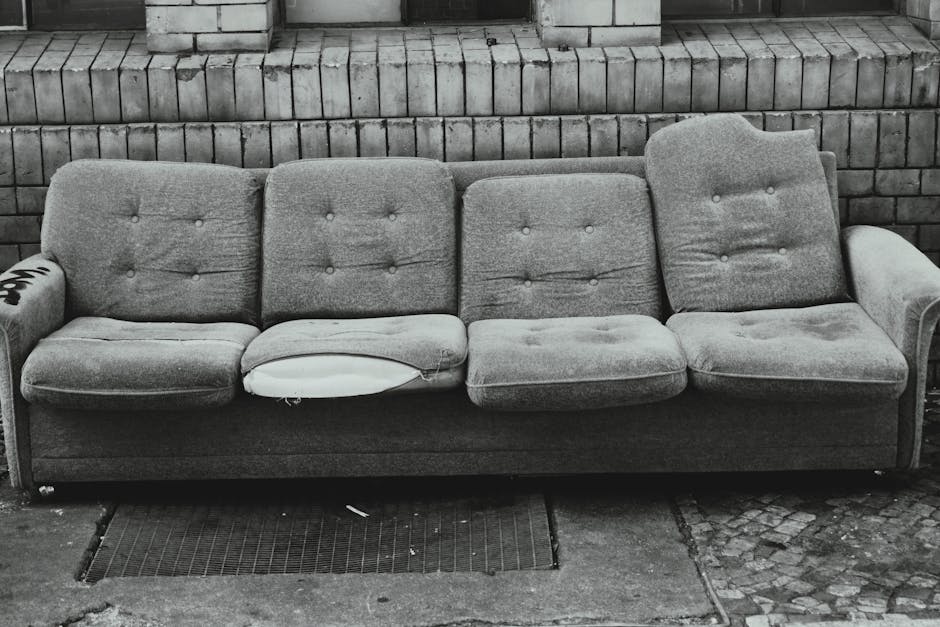
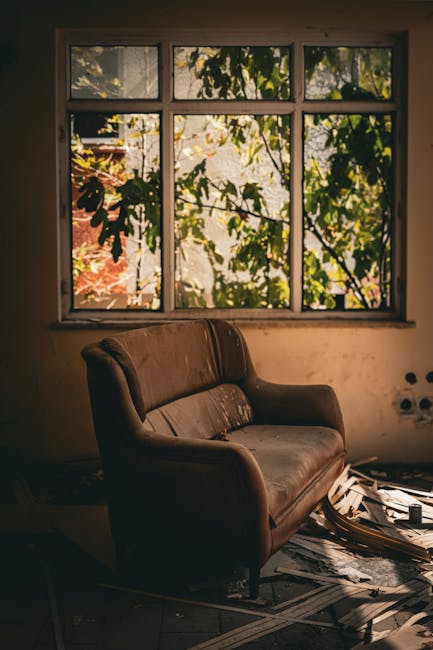
What to do with old sofas in Forest Gate flats
If you've got a bulky sofa taking over a hallway, blocking a stairwell, or squeezing a small living room in a Forest Gate flat, you're not alone. Old sofas are awkward. They're heavy, awkward to turn, and rarely easy to get down narrow stairs without a bit of planning. The good news is that there are sensible ways to deal with them, whether you want to reuse, donate, sell, recycle, or arrange a straightforward removal. This guide on what to do with old sofas in Forest Gate flats walks you through the real-world options, the practical trade-offs, and the small details that make everything less stressful.
Truth be told, the best choice depends on a few things: the sofa's condition, how quickly you need it gone, whether your building has access restrictions, and what you want to happen to it next. Let's make it simple.
Table of Contents
- Why it matters in Forest Gate flats
- How the process works
- Key benefits and practical advantages
- Who needs this and when it makes sense
- Step-by-step guidance
- Expert tips for better results
- Common mistakes to avoid
- Tools, resources and recommendations
- Law, compliance and best practice
- Options and comparison table
- Case study or real-world example
- Practical checklist
- Conclusion
- Frequently asked questions
Why What to do with old sofas in Forest Gate flats Matters
In a flat, an old sofa is never just "a bit of furniture you're not using anymore". It can block a route to the front door, make a room feel cramped, or sit in a corner collecting dust while you keep telling yourself you'll deal with it next weekend. Then next weekend becomes next month. We've all seen how that goes.
For Forest Gate residents, the challenge is often the building itself. Flats may have shared entrances, tighter stairwells, limited parking, no lift, or neighbours who really do not want a lorry parked outside for three hours with cushions stacked on the pavement. A sofa removal plan has to work for the building, not just the sofa.
It also matters because sofas are bulky waste. If they're dumped casually in a communal area or left by the bins, the problem becomes everyone's problem. That can lead to complaints, extra cleaning, or even charges from a managing agent or landlord. So the practical answer is not just about getting rid of something. It's about doing it properly and with the least hassle.
If you're dealing with other household items at the same time, it can help to think in terms of a wider clear-out. Many people tackling a sofa also sort through broken chairs, mattresses, and general flat clearance at the same time, which is often more efficient than handling each item separately. If that sounds like your situation, a service such as flat clearance can be the cleaner all-in-one route.
How What to do with old sofas in Forest Gate flats Works
The process is usually simpler than people expect, but the right route depends on the sofa's condition and your access. Here's the basic logic.
If the sofa is still usable, you may be able to sell it, donate it, or pass it on. That works best when it is clean, structurally sound, and free from major damage. A tired-looking sofa can still have value if the frame is solid and the upholstery is presentable.
If it is damaged, sagging, stained, or no longer safe, removal and recycling are usually the better options. Some parts may be recyclable, but upholstered furniture generally needs sorting by a proper waste handler rather than just being thrown in a general bin.
If access is awkward, the job can need more planning than the sofa itself. Narrow hallways, tight corners, stair-only access, and permit-controlled streets can all affect timing and cost. In a place like Forest Gate, that's not unusual at all.
Most people choose one of these routes:
- keep it and repair or re-cover it
- sell it locally if it's in good condition
- donate it if it meets charity or reuse standards
- book a bulky furniture collection
- arrange a flat clearance or mixed-item removal
- take it apart for easier moving, then dispose of the parts properly
For a lot of households, the decision is not dramatic. It's simply a question of what's realistic on a Tuesday evening after work, with bags of laundry in the corner and a sofa that suddenly seems bigger than the room. That's life, really.
Key Benefits and Practical Advantages
Choosing the right sofa removal route saves more than space. It protects your time, your building, and sometimes your wallet too.
1. More usable space
Once an old sofa is gone, the room immediately breathes again. A small Forest Gate flat can feel dramatically bigger with just one bulky item removed.
2. Less stress in shared buildings
Managing bulky items through communal areas is easier when you've thought ahead. No one wants to carry a sofa down stairs only to discover the front door is too narrow or the collection truck can't stop safely.
3. Better chance of reuse
If the sofa is still serviceable, reuse keeps it in circulation. That can be the most practical option for the household and often the most reassuring one too.
4. Cleaner disposal route
When a sofa is handled through the right channel, it is less likely to end up dumped locally or split up badly in a way that creates mess.
5. Less lifting risk
Heavy furniture and awkward stairs are a bad mix. A careful plan reduces the chance of scratched walls, strained backs, and that awful moment when the sofa gets stuck halfway around a landing. Not ideal.
One overlooked benefit is timing. If you arrange sofa removal before a move-out date, a tenancy inspection, or a refurbishment, you avoid last-minute panic. That bit of breathing room matters more than people think.
Who This Is For and When It Makes Sense
This topic is relevant to renters, leaseholders, landlords, letting agents, and anyone helping a parent or relative clear a flat. It is especially useful if your sofa is too large to manage alone or if your building has restrictions that make ad hoc disposal a pain.
You'll likely need a clear plan if you are:
- moving out of a Forest Gate flat
- replacing a worn sofa with a new one
- clearing a rental property between tenancies
- downsizing from a larger sofa to something slimmer
- handling a probate or estate clearance
- trying to avoid leaving bulky waste in a communal area
It also makes sense if the sofa is not worth repairing. A wobbly frame, torn upholstery, or collapsed cushions usually means the repair cost and effort outweigh the benefit. To be fair, most people can tell when a sofa has had its day. The tricky part is accepting it.
If you are dealing with a wider clear-out or an inherited flat, you may also want to look at house clearance for a fuller service that covers more than one item. That can be useful where the sofa is only one part of a bigger job.
Step-by-Step Guidance
If you want a calm, practical way to deal with an old sofa in a flat, follow these steps.
1. Check the sofa's condition honestly
Ask yourself whether someone else would actually use it. If the answer is yes, reuse or donation may be possible. If the springs are broken, the cover is badly worn, or there's a smell that has settled in over time, disposal is probably the better route.
2. Measure the sofa and the route out
This sounds obvious, but it saves headaches. Measure the sofa's width, height, and depth. Then check the staircase, hallway corners, and front door. A sofa that looked manageable in the lounge can become a nightmare in a tight stairwell.
3. Decide whether to reuse, sell, donate, or remove
If the sofa is clean and good enough, take a few photos in natural light and list it locally or offer it to someone who can collect quickly. If it is not suitable for reuse, move on without overthinking it.
4. Plan the access
In a flat, access is often the real challenge. Tell anyone helping you whether there are stairs, shared corridors, entry codes, or parking restrictions. If a removal team is coming, be clear about lift access, floor level, and whether the sofa needs dismantling first.
5. Prepare the flat
Move small items, protect corners if needed, and clear a path from the room to the exit. A few minutes of prep can save a scuffed wall or an awkward pause on the landing.
6. Remove or collect the sofa safely
For DIY moving, use at least one other person. Better yet, use two. Old sofas are not friendly to solo lifting, and there's always one awkward edge that catches on the door frame. If you book a collection, confirm the collection window, payment, and access details in advance.
7. Deal with any extras at the same time
Cushions, footstools, throws, and loose rubbish often get left behind. Sort them out while the main job is happening. If you have more than one bulky item, it is often more efficient to remove everything in one go rather than dragging the process out.
8. Finish with a quick tidy-up
Once the sofa is gone, vacuum the space, check for screws or broken fittings, and make sure communal areas are left clear. Small finish, big difference.
Expert Tips for Better Results
A few simple habits make sofa removal much easier in flats. Nothing exotic here. Just the kind of detail that saves time and a bit of swearing.
- Photograph the sofa before you move anything. This helps if you are selling it, donating it, or checking whether it can be dismantled.
- Remove detachable parts first. Cushions, legs, and loose covers can make the frame easier to handle.
- Protect shared walls and doors. A blanket or cardboard sheet can prevent scuffs on the way out.
- Check building rules first. Some blocks have quiet hours, lift booking systems, or rules about leaving items in communal spaces.
- Choose timing carefully. Mid-morning often works better than rushing early or trying to move something at the end of a long day.
- Be realistic about condition. A sofa that looks fine at a glance may still be unsuitable if it smells damp or has hidden frame damage.
A small but useful tip: if the sofa is going through a narrow hallway, turn it on its side only if that actually helps the angle. People often flip furniture too quickly and make the geometry worse. Slightly nerdy, yes, but it matters.
If you want a broader service that handles everything from a single bulky item to a mixed clear-out, furniture removal is often the most straightforward route. It is especially handy when the sofa is part of a full room refresh.
Common Mistakes to Avoid
Old sofa removal sounds easy until it isn't. Most problems come from rushing or assuming the job is simpler than it is.
- Leaving the sofa in a communal area. This can create obstruction issues and complaints very quickly.
- Not checking access first. A sofa may fit the room but not the route out.
- Forgetting building rules. Shared spaces are not the place to improvise.
- Trying to lift alone. Bad idea. No prize for heroics here.
- Assuming every old sofa can be donated. Donation routes usually require the item to be in respectable condition.
- Mixing the sofa with loose waste without planning. That can make collection less efficient and more expensive than necessary.
- Ignoring the frame and fittings. If it needs dismantling, do that before you are halfway through the stairwell.
One of the biggest mistakes is emotional, not physical: holding on to a sofa because you feel you should do something with it "someday". Someday rarely arrives on its own. Better to choose a path and move on.
Tools, Resources and Recommendations
You do not need a van full of specialist gear to handle a sofa from a flat, but a few practical tools can make life easier.
| Tool or resource | What it helps with | Why it matters |
|---|---|---|
| Measuring tape | Checking sofa dimensions and exit routes | Prevents nasty surprises at the doorway |
| Blankets or covers | Protecting walls, doors, and upholstery | Reduces scuffs and dirt during removal |
| Gloves | Improving grip and protecting hands | Useful for broken frames, staples, and rough edges |
| Screwdriver or drill | Removing legs or dismantling sections | Can turn a difficult carry into a manageable one |
| Phone camera | Recording condition before donation, sale, or removal | Handy for listings and planning |
| Professional removal service | Heavy lifting and transport | Often the simplest option in a flat with tight access |
There are also practical service combinations worth considering. If you are clearing more than one room, combining a sofa with mattresses, cabinets, or other bulky items can be more efficient than booking multiple separate jobs. A service like bulky item collection can be useful when the job is mostly about heavy, awkward objects rather than a full property clearance.
And if you want help with mixed furniture or more general domestic clutter, you may find waste removal a better fit, especially when the sofa is only one part of a larger clear-out.
Law, Compliance, Standards, or Best Practice
Here's the cautious, practical version: in the UK, bulky furniture should be disposed of responsibly, and sofa waste should not be dumped, fly-tipped, or left where it creates a nuisance or obstruction. In flats, that means being careful with shared hallways, exits, and communal bins. The exact arrangement will depend on your building and local service options, so it is always wise to check the rules that apply to your property and tenancy.
If you live in rented accommodation, your tenancy agreement or building management rules may set expectations about how items are removed, whether communal areas can be used temporarily, and whether damage caused during removal could be charged back. That is normal. A quick read now can save a long email later.
Best practice is simple:
- do not block fire exits or shared access routes
- do not leave the sofa in a communal space unless you have arranged collection and are certain it is permitted
- handle heavy items with enough people and suitable care
- use a proper collection route for furniture that cannot be reused
- separate reusable, recyclable, and disposal-only items where possible
If you are unsure whether a sofa should be reused, donated, or removed as waste, err on the side of caution. A reputable removal provider can usually help you judge the best route after seeing a photo or quick description.
Options, Methods, or Comparison Table
Different sofas need different solutions. A smart choice is usually the one that balances condition, speed, access, and cost. Here's a straightforward comparison.
| Option | Best for | Pros | Watch-outs |
|---|---|---|---|
| Sell it | Good-condition sofas with some life left | May recover value; keeps the item in use | Can take time; collection may be unreliable |
| Donate it | Clean, serviceable sofas | Good reuse outcome; practical for clear-outs | Not all items meet acceptance standards |
| DIY move and dispose | Small jobs with easy access | Can be cheaper if you already have help and transport | Heavy lifting, parking, and building access can be a problem |
| Bulky item collection | One-off sofa removal | Convenient; less lifting for you | Needs booking and clear access details |
| Flat clearance | Multiple furniture items or full-room clear-outs | Efficient for larger jobs; simpler coordination | More extensive than a single-item removal |
In practice, most flat dwellers choose between donation, bulky collection, or a wider clearance. Selling is great if the sofa is genuinely decent, but let's face it, not every old three-seater is a hidden gem.
Case Study or Real-World Example
Here's a realistic example from a typical Forest Gate flat scenario.
A renter in a second-floor flat wants to replace an old fabric sofa before a new tenancy starts. The sofa still looks okay from a distance, but one seat has sagged, the arms are worn, and it smells a little musty after years near an open window. The stairwell is narrow, there's no lift, and the front entrance opens onto a busy residential street.
At first, they think about listing it for free collection. Then they realise it may be too tired for most people to want. Instead of waiting around, they measure the sofa, check the route out, and decide on a removal service that can handle bulky furniture from flats. They also remove the cushions and legs beforehand, which makes the carry easier and reduces the risk of snagging the hallway wall.
The result? No last-minute panic, no sofa stuck in the entrance, and the flat is ready for cleaning and handover. Small job, big relief. You can almost feel the room open up once the sofa is out. That's the kind of practical win people really want.
If a full clear-out is happening at the same time, pairing the sofa removal with end of tenancy clearance can make the handover process much less stressful, especially when deadlines are tight.
Practical Checklist
Use this checklist before moving, selling, donating, or booking removal for an old sofa in a Forest Gate flat.
- Check whether the sofa is reusable, repairable, or disposal-only
- Measure the sofa and the route through the flat
- Confirm stairs, lifts, entry codes, and parking access
- Review any tenancy or building rules about communal areas
- Take clear photos if you may sell or donate it
- Remove cushions, legs, or other detachable parts
- Protect walls, doors, and floors if needed
- Arrange help for lifting or book a professional collection
- Clear the route from the room to the exit
- Plan what to do with any other bulky items at the same time
- Leave shared spaces tidy after removal
Quick expert summary: if the sofa is in decent condition, try reuse first. If it is heavy, damaged, or awkward to move, book the safest and simplest route. In flats, access and time pressure matter just as much as the sofa itself.
Conclusion
Deciding what to do with an old sofa in a Forest Gate flat does not have to be a headache. Once you look at the condition of the sofa, the access in your building, and how quickly you need the space back, the best option usually becomes obvious. Sometimes that means donating or selling. Sometimes it means a fast, responsible removal. Either way, the goal is the same: clear the space without creating extra mess or stress.
If you remember nothing else, remember this: measure first, lift carefully, and do not leave the job half-finished in a shared hallway. A little planning goes a long way, honestly.
Get a free quote today and see how much you can save.
And if you're staring at the sofa right now, wondering where to begin, start with the first small step. That is usually enough to get things moving.
Frequently Asked Questions
Can I leave an old sofa in the communal area of my flat?
Usually not unless you have a clear arrangement and it is allowed by your building rules. Communal areas need to stay unobstructed, especially for safety and access reasons.
What is the easiest way to get rid of a sofa from a Forest Gate flat?
For many people, the easiest route is a professional bulky item collection or furniture removal service, especially if the flat has stairs or tight access. It reduces lifting and planning stress.
Can an old sofa be donated if it is a bit worn?
Sometimes, yes, but it depends on the condition. Donation routes generally expect the sofa to be clean, usable, and free from major damage. If it is sagging, stained, or smelly, donation may not be suitable.
Do I need to dismantle the sofa before removal?
Not always. Some sofas can be moved intact, but if the route is tight, removing the legs or breaking the sofa into sections can make the job much easier.
How do I know whether my sofa will fit through the hallway?
Measure the sofa and the narrowest points in the hallway, doorways, and stair turns. If the measurements look tight, assume it may need to be dismantled or moved by experienced handlers.
What if my sofa is too heavy to move safely?
Do not try to force it. Heavy sofas are awkward and can cause injury or damage. Use proper help, suitable equipment, or a removal service that handles bulky items from flats.
Is it better to sell or dispose of an old sofa?
If the sofa is in good condition, selling or giving it away can be worthwhile. If it is damaged or very tired, disposal is often the more realistic choice. It comes down to condition and time.
Can I arrange sofa removal along with other items?
Yes, and that is often a smart move. Combining the sofa with other bulky furniture or a fuller clear-out can save time and simplify access planning.
What should I do before a sofa collection arrives?
Clear the route, remove loose parts, confirm access details, and make sure the collection team can get to the property without delay. A few minutes of prep can make everything smoother.
Are there special concerns in flats compared with houses?
Yes. Flats usually involve shared stairwells, communal entrances, limited parking, and more careful timing. That means access planning matters much more than it might in a house.
What if the sofa is part of a larger clear-out after moving out?
Then it may make sense to combine the sofa with a broader flat or tenancy clearance. That is often more efficient than handling one bulky item at a time, especially under time pressure.
How far in advance should I sort out sofa removal?
As soon as you know you no longer need it. A little lead time helps with access checks, booking, and any dismantling that may be needed. Waiting until the last minute is where things get messy, fast.